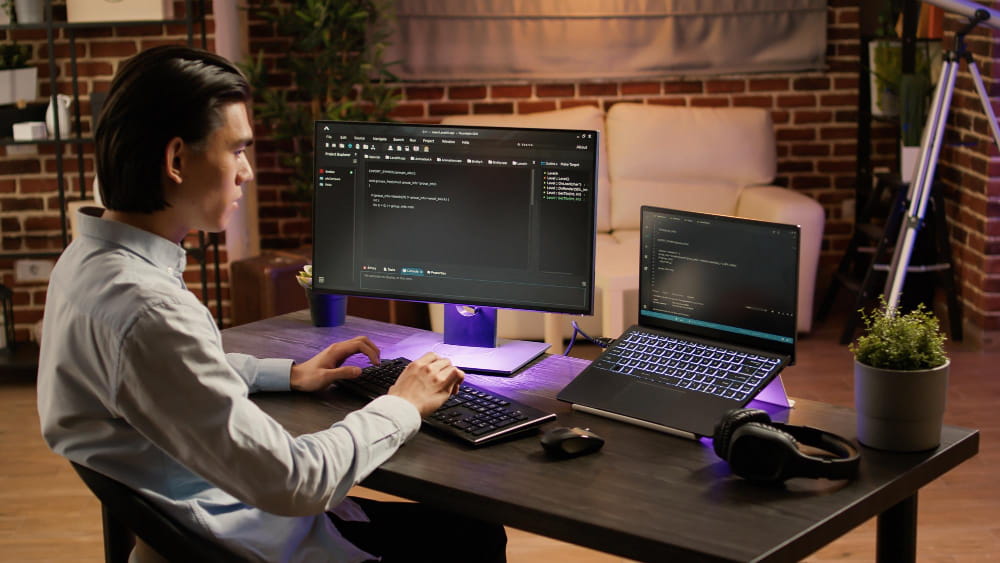
Finding an experienced MEP Designer can be challenging when your engineering team is managing multiple projects, tight construction schedules, and constant design revisions. You need someone who understands building systems, produces accurate technical drawings, and collaborates effectively with architects, engineers, and contractors.
Hiring an MEP Designer from Latin America gives U.S. companies access to qualified technical professionals who can support ongoing projects while working during overlapping business hours. Countries such as Mexico, Colombia, Brazil, Argentina, and Peru offer professionals experienced in CAD drafting, Revit MEP, BIM coordination, and construction documentation.
However, finding the right candidate requires more than reviewing software proficiency. You need to evaluate technical expertise, relevant project experience, and familiarity with U.S. engineering standards.
This guide explains how to hire an MEP Designer from Latin America, including the qualifications to look for, hiring costs, candidate assessments, and onboarding practices.
What Does an MEP Designer Do?
An MEP Designer develops technical drawings, layouts, and models for buildings' mechanical, electrical, and plumbing systems. Their primary responsibility is to translate engineering requirements into accurate, coordinated construction documentation.
Depending on their specialization and experience, an MEP Designer may:
- Prepare technical drawings for HVAC, electrical distribution, plumbing, and related building systems.
- Develop Revit MEP models and update existing construction documentation.
- Coordinate system layouts with architectural and structural drawings.
- Maintain equipment schedules, annotations, and technical specifications.
- Identify design conflicts and incorporate engineering revisions.
- Support construction documentation and respond to technical markups.
Most MEP Designers specialize in one or two disciplines. A mechanical designer may focus on HVAC equipment and ductwork, while an electrical designer handles power distribution and lighting plans. These professionals typically work alongside MEP Engineers, who provide engineering oversight, calculations, and technical direction.
The distinction matters: An MEP Designer can contribute significantly to drawing production and system coordination, while appropriately qualified professionals handle regulated engineering decisions and approvals.
When Should You Hire an MEP Designer Instead of Another Specialist?
The right hire depends on your team's workload, existing engineering capabilities, and the specific deliverables you need. An MEP Designer is especially valuable when your engineers set the technical requirements but need extra capacity to produce and coordinate drawings.
For example, an engineering consultancy with licensed professionals may hire an MEP Designer to handle drawing revisions, system layouts, equipment schedules, and coordinated documentation. Other positions may be better suited to specific needs:
- A CAD Designer can help with broader technical drawing production.
- A BIM Modeler focuses on 3D modeling, coordination, and managing model information.
- A Drafter can support detailed drawings and revisions based on established engineering specifications.
Start with the deliverables your team needs, then determine which technical role can manage them most effectively.
Why Hire an MEP Designer From Latin America?
Latin America offers several practical advantages for U.S. architecture, engineering, and construction companies seeking dedicated technical support.
- Access to specialized engineering talent. The region has professionals with backgrounds in mechanical engineering, electrical engineering, architectural drafting, and building systems design. Many have experience using software found in U.S. engineering firms.
- Overlapping U.S. working hours. Professionals in countries such as Peru, Colombia, Mexico, and Brazil can participate in design reviews, project meetings, and coordination sessions during much of the U.S. workday, depending on their location and schedule.
- Competitive staffing costs. Hiring from Latin America can offer additional budget flexibility, especially when a company needs to expand design production capacity while maintaining a sustainable staffing model.
- Continuity across projects. A dedicated MEP Designer becomes familiar with your templates, engineering standards, project requirements, and documentation practices. That knowledge reduces repeated training and improves consistency across design packages.
These advantages matter most for firms handling recurring projects, including commercial buildings, multifamily developments, industrial facilities, and renovations. Companies looking to expand multiple technical functions can also explore South's construction and engineering talent to identify complementary roles.
What Skills Should You Look for in a LATAM MEP Designer?
An effective hiring process evaluates technical software proficiency, knowledge of building systems, communication skills, and experience with relevant construction standards.
Technical Software Proficiency
Revit MEP and AutoCAD are among the most important tools for many MEP design positions. However, the required software depends on your team's existing workflow. Look for candidates who can demonstrate experience with:
- Revit MEP: Creating coordinated building systems models, managing views, and producing construction documentation.
- AutoCAD: Developing 2D drawings, updating layouts, and maintaining drafting standards.
- Navisworks: Reviewing models, identifying clashes, and coordinating multidisciplinary systems.
- Bluebeam: Reviewing construction drawings and incorporating technical markups.
- Autodesk Construction Cloud: Managing shared project information and collaborative design workflows.
Prioritize practical project experience over a long software list. A candidate who regularly develops coordinated Revit deliverables may be more valuable than someone with basic familiarity across several applications.
Discipline-Specific Knowledge
MEP design covers several technical disciplines, and candidates should demonstrate relevant expertise in the systems they'll support.
- Mechanical designers should understand HVAC layouts, ductwork, equipment placement, piping coordination, and basic system sizing concepts. More complex analysis may require collaboration with a Mechanical Engineer.
- Electrical designers should be familiar with lighting layouts, power distribution, panel schedules, conduit routing, and related coordination requirements. For projects requiring advanced electrical calculations, an Electrical Engineer may also be necessary.
- Plumbing designers should understand domestic water distribution, sanitary drainage, fixture layouts, and piping coordination. Additional system engineering requirements may call for a Plumbing Engineer.
The goal is to identify candidates whose actual project experience matches the discipline and complexity of your assignments.
Familiarity With U.S. Project Requirements
Experience supporting U.S. construction projects can simplify onboarding and improve communication with your engineering team. Depending on the position, candidates should be familiar with relevant standards such as the National Electrical Code (NEC), International Plumbing Code (IPC), International Mechanical Code (IMC), and applicable ASHRAE standards.
These requirements vary by project location and the codes adopted by the relevant jurisdiction. Candidates should also demonstrate clear written English, organized documentation habits, and the ability to incorporate technical feedback accurately.
How to Hire an MEP Designer From Latin America: 6 Steps
A structured recruitment process makes it easier to identify professionals who can contribute to actual engineering deliverables.
Step 1: Define Your Project Requirements
Start by identifying the building types, design disciplines, and construction stages the candidate will support. For example, a commercial engineering firm may need someone experienced in HVAC layouts, Revit coordination, equipment schedules, and construction drawing revisions. Clarify the expected deliverables, reporting relationships, and level of supervision.
The more specific your job description, the easier it becomes to assess relevant experience.
Step 2: Establish the Required Experience Level
An entry-level designer may handle routine drafting and documentation updates. A mid-level professional should generally manage assigned design packages, incorporate revisions, and coordinate with other disciplines under established engineering direction. A senior designer may handle complex documentation requirements, multidisciplinary coordination, and technical quality-control processes.
Choose the experience level based on the responsibilities you expect the candidate to manage independently.
Step 3: Search for Candidates Across Latin America
Expanding your search beyond one country can increase access to professionals with specialized technical backgrounds. Look for candidates through engineering networks, professional referrals, technical communities, and specialized staffing companies.
For companies seeking a dedicated full-time professional, South can help identify candidates whose experience matches specific engineering and construction requirements.
Step 4: Review Technical Portfolios
Ask candidates to provide examples of completed drawings, Revit models, and coordinated construction documentation, with confidential information removed. Prioritize projects similar to your own in terms of building type, technical complexity, and design requirements.
Ask applicants to explain their individual contributions, the engineering direction they received, and the challenges they encountered.
Step 5: Conduct Technical Interviews and Assessments
A technical interview should explore the candidate's experience with design coordination, drawing revisions, building systems, and project documentation. Follow the interview with a short, paid practical assessment that reflects the actual tasks they'll perform. This gives your engineering team a clearer understanding of the candidate's capabilities before making a hiring decision.
Step 6: Finalize the Hiring Arrangement and Onboarding
Confirm compensation, working hours, software access, security procedures, and performance expectations. Define who reviews technical deliverables, approves engineering changes, and provides project direction. If you're working with a staffing partner, clarify which recruitment, payment administration, compliance, and ongoing support services are included.
How Can You Evaluate MEP Designer Candidates?
A candidate's portfolio demonstrates previous experience, but a practical assessment reveals how they approach real engineering tasks. For example, provide a simplified commercial floor plan with architectural and structural references. Ask the candidate to complete an assignment corresponding to their specialization. A mechanical designer might revise HVAC duct routing, while an electrical designer could update lighting and power layouts.
The assessment should evaluate accuracy, coordination, documentation quality, and communication. Use a consistent scorecard:
- Technical accuracy (40%): Are the layouts and details consistent with the engineering requirements?
- Coordination (25%): Does the candidate identify conflicts with other building systems?
- Documentation quality (20%): Are drawings organized, readable, and consistent with the supplied standards?
- Communication (15%): Can the candidate explain decisions and identify questions requiring engineering review?
These percentages reflect a suggested evaluation framework, not an industry standard. You should also ask candidates to describe a situation where they identified a coordination problem before construction. Strong candidates understand how their technical drawings affect the broader project, including structural constraints, installation requirements, and other systems.
How Much Does It Cost to Hire an MEP Designer From Latin America?
The cost of hiring an MEP Designer depends on experience, specialization, project complexity, and the hiring arrangement. A professional handling basic drawing updates will generally have different compensation expectations from a senior specialist coordinating complex commercial or industrial systems.
South publishes the following all-in monthly staffing benchmarks for related technical roles:
These are published benchmarks for related roles, not confirmed MEP Designer-specific pricing. The actual rate depends on the position's responsibilities and seniority. For a real hiring example, South placed a senior Electrical BIM Drafter from Brazil at $5,000/month all-in. The professional had nearly eight years of experience supporting electrical design and advanced BIM projects.
You can review the full Electrical BIM hiring case study for details about the technical requirements and recruitment process. When preparing your hiring budget, consider total staffing cost, not compensation alone. Recruitment, payment administration, software licenses, and supervision can affect your overall investment.
South offers an all-in pricing model that combines teammate compensation and staffing services into a consolidated monthly rate. For MEP-specific requirements, request a tailored quote reflecting your project's technical needs.
How Do You Onboard a Remote MEP Designer for U.S. Projects?
A structured onboarding process helps your new hire learn the team's engineering standards and contribute consistently to projects.
- During the first week, introduce your drawing conventions, Revit templates, software systems, file organization, and quality-control procedures.
- During the second week, assign a manageable drafting or modeling task. Review how the designer incorporates markups, communicates questions, and coordinates with other disciplines.
- By the end of the first month, the designer should be comfortable managing an agreed portion of the project documentation and participating in regular design reviews.
Establish clear expectations for:
- File management: Naming conventions, folder structures, and document version control.
- Quality assurance: Internal drawing checks and engineering approval procedures.
- Communication: Regular coordination meetings, technical questions, and progress updates.
- Project delivery: Agreed deadlines, revision tracking, and documentation responsibilities.
MEP design frequently involves coordination with architectural and structural teams. For example, an HVAC routing change may require a structural engineer's review when it affects structural openings or clearances. Clear responsibilities and consistent review procedures help remote designers contribute effectively to multidisciplinary projects.

Hire an MEP Designer From Latin America With South
South helps U.S. companies recruit dedicated, full-time professionals from Latin America, including specialized technical talent for engineering and construction operations. For MEP-related positions, South can tailor the recruiting process around your software requirements, building types, engineering disciplines, English proficiency, and preferred experience level.
South supports companies through:
- Candidate sourcing: Identifying professionals with relevant technical backgrounds across Latin America.
- Screening and vetting: Evaluating experience, communication skills, and role fit.
- Interview coordination: Helping employers review qualified candidates and select the right professional.
- Payroll and compliance support: Managing administrative aspects of international staffing.
- Ongoing staffing assistance: Supporting the working relationship after the candidate joins the team.
South's technical recruiting experience includes a documented placement of a senior Electrical BIM Drafter from Brazil, with the search completed in 22 days. The candidate brought advanced Revit expertise, knowledge of electrical systems, and direct experience on major U.S. projects.
South helps U.S. companies find qualified technical professionals who match their project requirements, budget, and working hours. With candidate sourcing, vetting, payroll administration, and ongoing staffing support, South makes it easier to build a dedicated remote engineering team.
Schedule a call with South today to discuss your MEP Designer hiring needs and explore qualified talent from Latin America.
Frequently Asked Questions (FAQs)
Can I hire an MEP Designer remotely from Latin America?
Yes. U.S. engineering and construction companies can hire remote MEP Designers to support technical drafting, building systems modeling, construction documentation, and design coordination. The arrangement should clearly establish engineering supervision, review responsibilities, and project access requirements.
Does an MEP Designer from Latin America need a U.S. engineering license?
A designer performing drafting and support tasks under appropriate supervision may not need a U.S. Professional Engineer license for those activities. However, regulated engineering work and any required signing or sealing of documents must follow applicable state licensing requirements. A licensed engineer in responsible charge must provide the necessary professional supervision and control.
What software should an MEP Designer know?
Common requirements include Revit MEP and AutoCAD, while collaborative projects may require Navisworks, Bluebeam, and Autodesk Construction Cloud. The most important factor is the candidate's ability to produce accurate deliverables using your existing software environment.
How can I verify a candidate's experience with U.S. projects?
Review previous construction documentation, ask about applicable building codes, and request examples of coordinated technical work. A practical design assessment can help confirm whether the candidate can meet your documentation standards.
Should I hire a freelance or full-time MEP Designer?
Freelancers may work well for occasional assignments or short-term drafting support. A dedicated full-time designer often suits companies with recurring projects, ongoing design revisions, and established engineering workflows that require continuity.